Key Takeaways
- Gut health and aging are connected through changes in digestion, gut bacteria, dietary habits, and overall health.
- The gut microbiome contains microorganisms that help process certain foods, absorb nutrients, and support normal immune function.
- Older adults experience digestive changes related to medications, appetite, reduced fiber intake, and physical activity.
- Fiber-rich foods, including oatmeal, beans, berries, and whole grains, support regular bowel movements and nourish beneficial gut bacteria.
- Proper hydration and regular physical activity help prevent constipation and support healthy digestive function.
- Senior living communities support consistent wellness routines through prepared meals, daily activities, and opportunities for social dining.
Why Your Gut and Aging Are Linked
As your loved one grows older, you might notice changes in their eating habits or digestion. Perhaps certain foods cause discomfort, or they’ve started experiencing constipation more frequently. These changes are common, but they deserve attention as part of your loved one’s overall wellness.
Gut health and aging are closely connected because changes in digestion, gut bacteria, and everyday habits affect how the body processes food. A balanced diet, regular movement, and proper hydration all contribute to digestive health. Families can support their loved ones by encouraging healthy routines and paying attention to changes in their digestive habits. With the right diet in place, your loved one can live a healthier, more fulfilling lifestyle.
Why Gut Health Matters for Older Adults
Your digestive system does much more than process meals. It breaks down food, absorbs nutrients, and helps your body get the nourishment it needs for everyday activities. It also houses trillions of microorganisms, collectively known as the gut microbiome. These microorganisms include bacteria that help break down certain foods and support normal immune function.
However, the makeup of the gut microbiome changes throughout life, influenced by diet, medications, health conditions, and other factors. As your loved one ages, a varied, balanced diet helps nourish beneficial gut bacteria. Supporting their digestive health also helps them maintain consistent eating habits and meet their nutritional needs.
Common Digestive Changes That Come With Aging
Aging affects everyone differently, and digestive health is no exception. Changes in diet, activity levels, and medications all influence how your loved one’s digestive system functions.
Some common digestive changes and contributing factors include:
- Changes in appetite or taste that affect how much your loved one eats and the nutrients they receive
- Digestive discomfort related to certain medications, including antibiotics and some pain relievers
- Changes in the types and amounts of microorganisms living in the digestive system
- Reduced fiber and fluid intake that contributes to constipation and irregular bowel movements
Families should pay attention to digestive symptoms that persist or interfere with daily activities. Any ongoing gut issues or unexpected appetite changes deserve a conversation with a healthcare professional.

Ways to Support Gut Health in Older Adults
Supporting your loved one’s gut health starts with everyday routines. Families can encourage healthier eating, help older relatives stay active, and look for opportunities to maintain consistent habits. A few practical adjustments support digestion without requiring a complete change to your loved one’s lifestyle.
Add More Fiber to Daily Meals
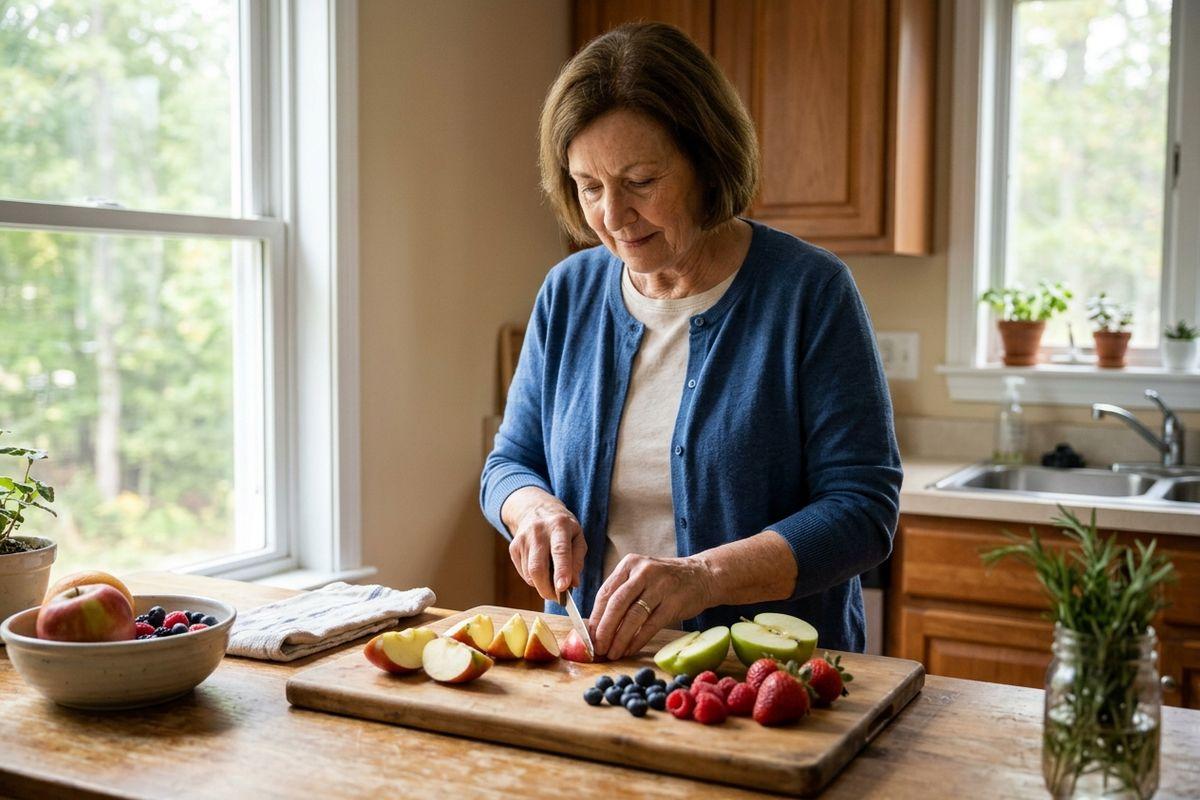
Fiber helps soften stool, supports regular bowel movements, and nourishes beneficial gut bacteria. Add fiber through familiar foods such as oatmeal, berries, beans, lentils, and whole-grain bread. If your loved one prefers smaller meals, try adding fruit to breakfast or including vegetables in soups and side dishes.
Encourage Regular Hydration
Not drinking enough fluids contributes to constipation, particularly when an older adult is increasing their fiber intake. However, proper hydration is key to a healthier gut. Keep water within easy reach and encourage your loved one to drink regularly throughout the day. Offering a glass with each meal or setting reminders can help if they frequently forget to drink.
Include Foods That Support Healthy Gut Bacteria
Yogurt with live cultures and kefir contain microorganisms that can contribute to gut health, although their effects vary by product. Prebiotic foods, including oats, bananas, and onions, contain fibers that beneficial gut bacteria use for nourishment. Incorporate these foods into meals your loved one already likes rather than changing their diet unnecessarily.
Make Physical Activity Part of the Routine
Regular movement helps stimulate intestinal activity and supports more consistent bowel movements. Walking after meals is a practical option for older adults who can move comfortably and safely. Chair exercises and other gentle activities offer alternatives for those with limited mobility. Encourage your loved one to choose activities suited to their physical abilities, and follow medical guidance about any exercise restrictions.
How Senior Living Supports Healthy Daily Habits
Preparing nutritious meals and maintaining an active schedule require planning, particularly when an older adult needs assistance with everyday responsibilities. Senior living helps people maintain their quality of life by providing structured opportunities for dining, movement, and social engagement without requiring residents to give up their personal preferences.
At The Enclave of Franklin, residents have access to everyday experiences that support healthy routines through
- Chef-prepared meals that provide regular dining opportunities and a variety of food choices
- Scheduled activities that encourage residents to move regularly and participate at their own pace
- Shared mealtimes that bring neighbors together and encourage social interaction
- A welcoming community environment where residents can maintain familiar interests and choose how to spend their days
These experiences give residents opportunities to maintain consistent routines while spending time on activities and relationships they value.
Supporting Healthy Aging at The Enclave of Franklin
Gut health and aging are closely connected, but digestive changes don’t have to go unaddressed. Paying attention to your loved one’s eating habits, fluid intake, and physical activity helps you recognize where adjustments are needed. A balanced diet and consistent daily routines support digestive wellness, while persistent symptoms should be evaluated by a healthcare professional.
At The Enclave of Franklin, we bring residents together through chef-prepared dining, regular activities, and opportunities for social connection. Families can learn about our dining experiences and see how residents incorporate wellness into their everyday lives. Schedule a tour of The Enclave of Franklin today to learn more about our community and approach to healthy aging.